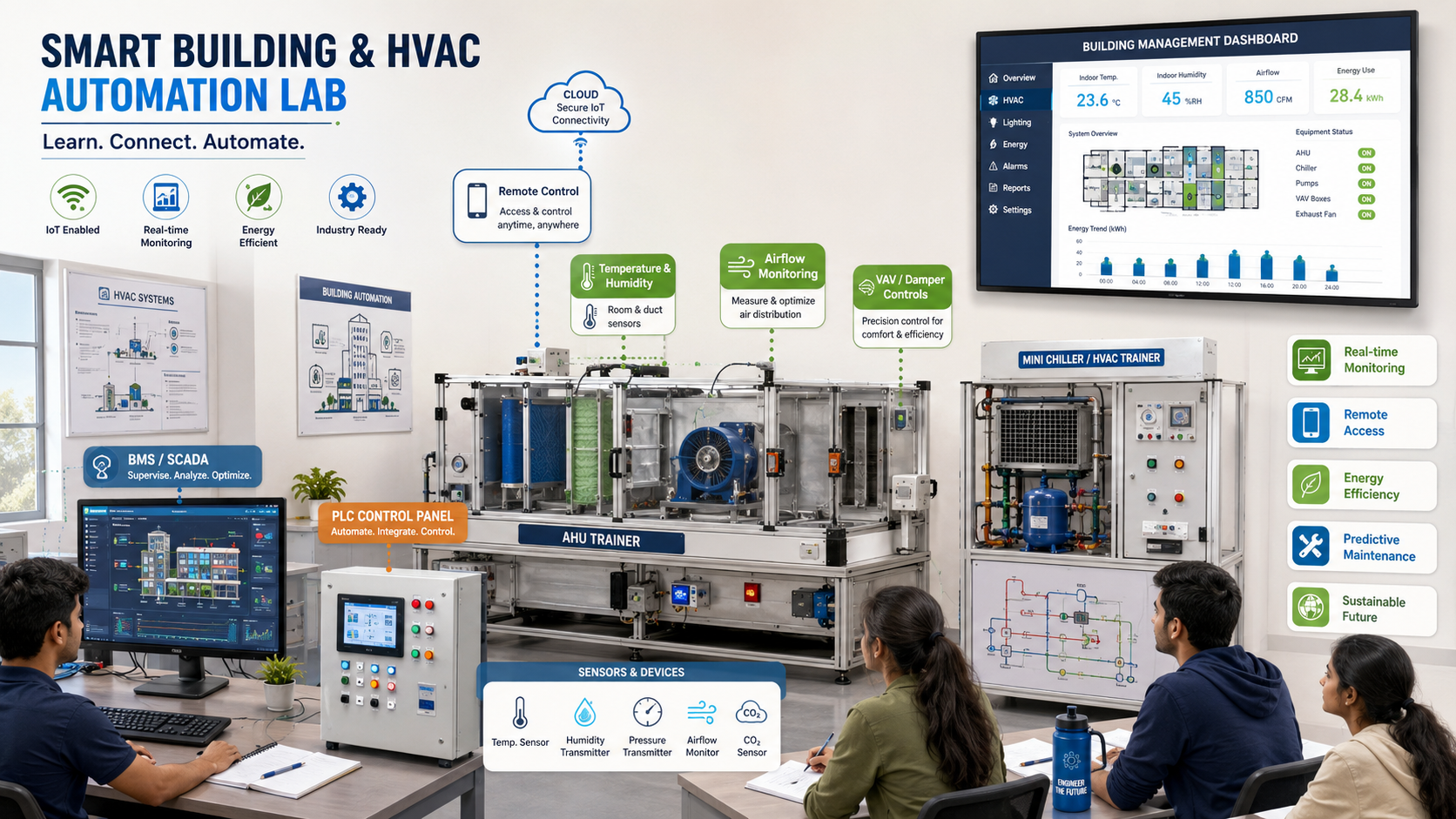
Smart Building + HVAC
Room sensors, HVAC status, energy usage, lighting control, BMS points and dashboard monitoring.
Smart Energy + IoT
Sedalia now positions smart energy and IoT as one connected learning area: power monitoring, renewable energy, BMS/SCADA, sensors, data acquisition, dashboards and smart decision-making.
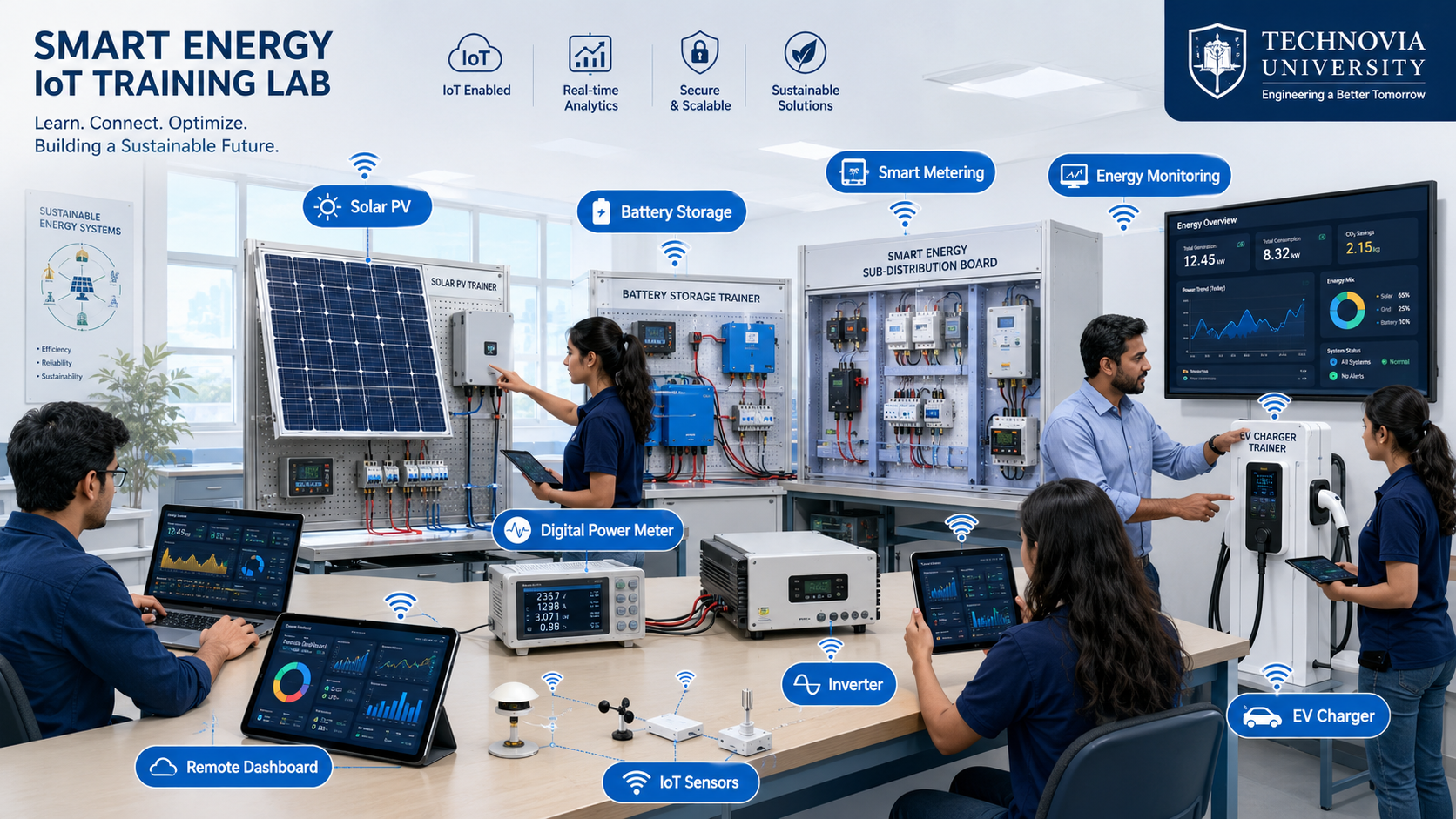
Merged learning area
Smart energy education is no longer just solar PV or power distribution. IoT education is no longer just a sensor board. The strongest learning experience combines real equipment, live electrical data, sensor values, communication networks and dashboard interpretation.
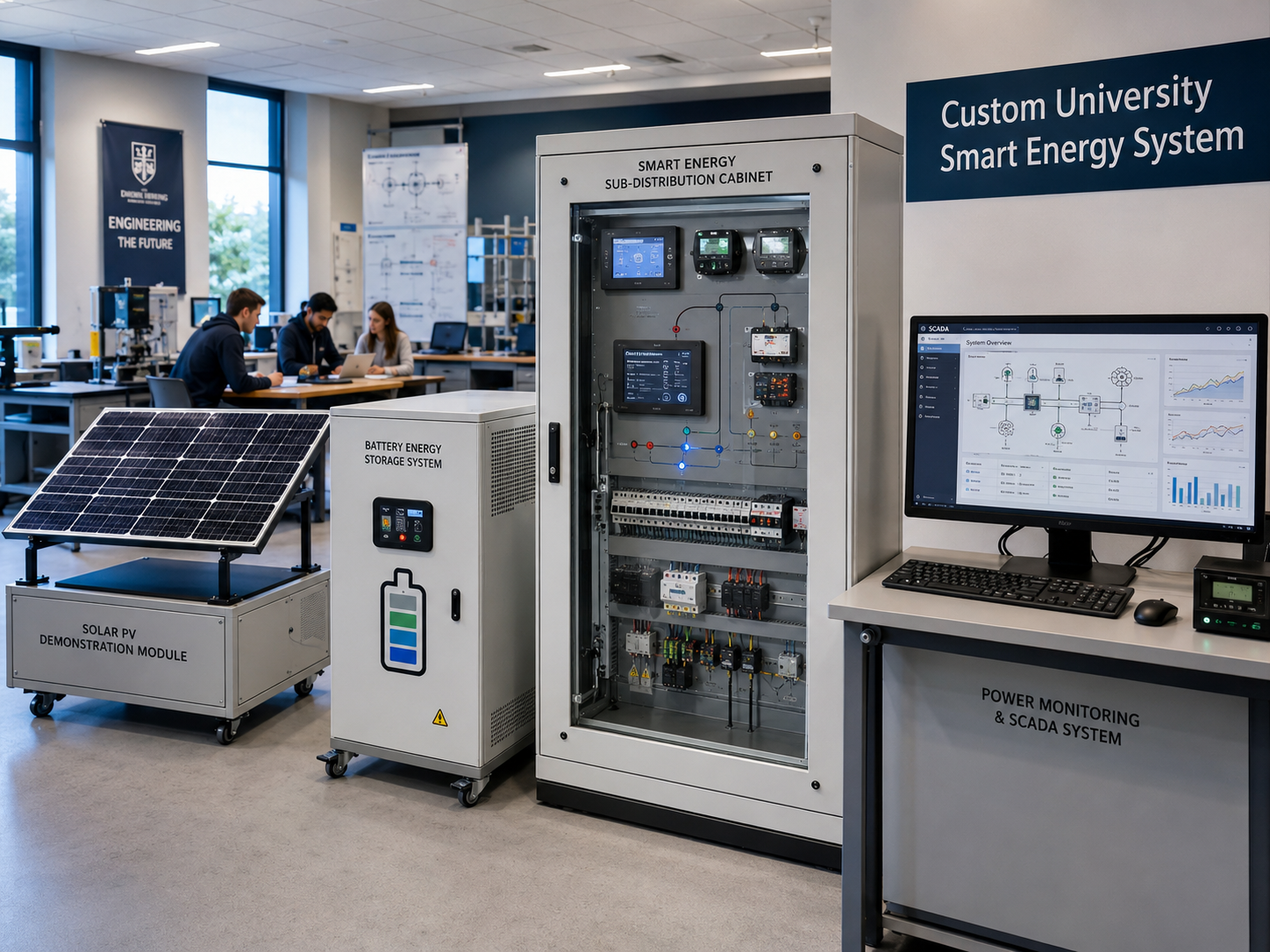
Typical training concepts
Room sensors, HVAC status, energy usage, lighting control, BMS points and dashboard monitoring.
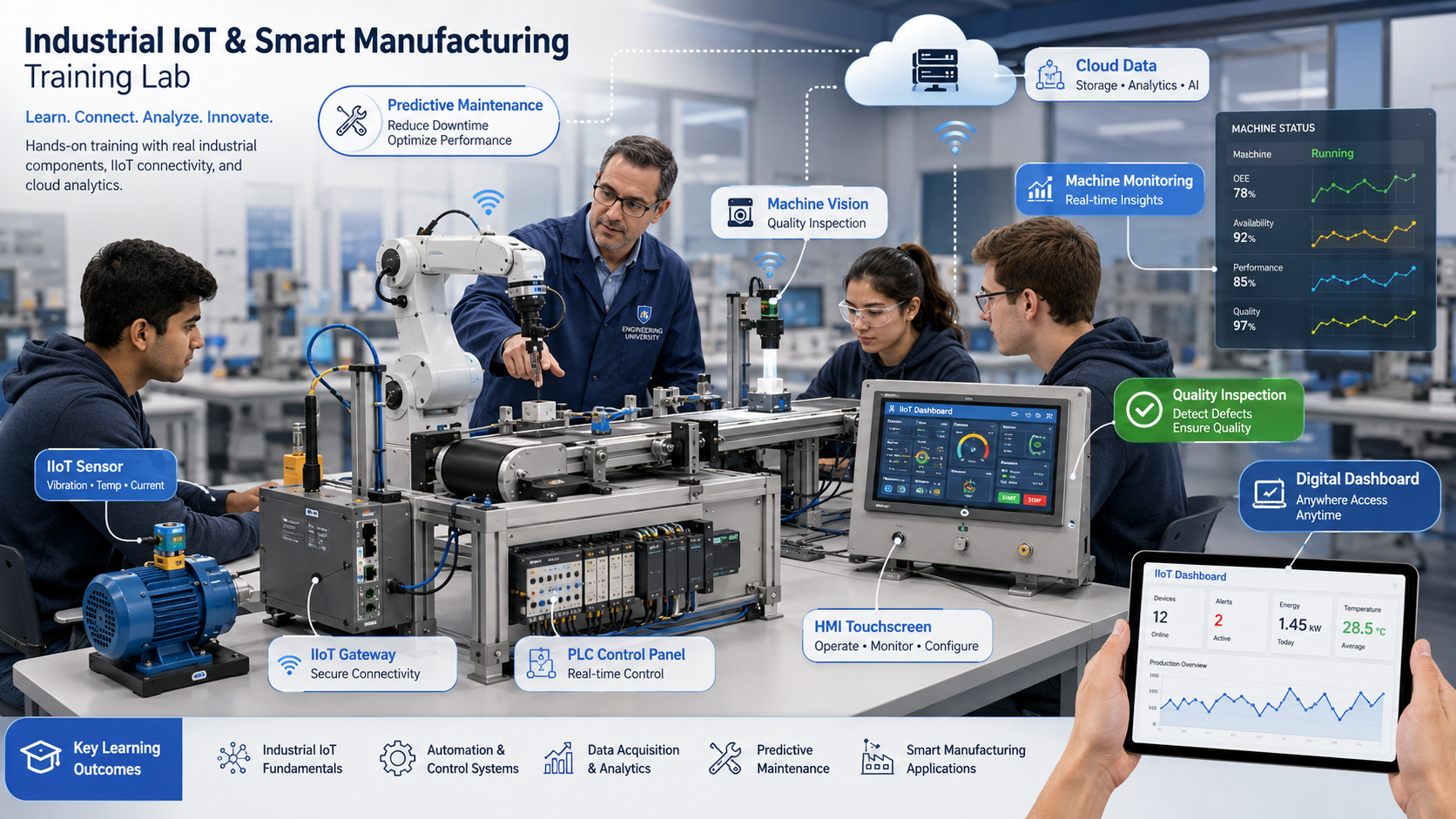
Sensors, machine status, production monitoring, dashboard reporting and connected automation.
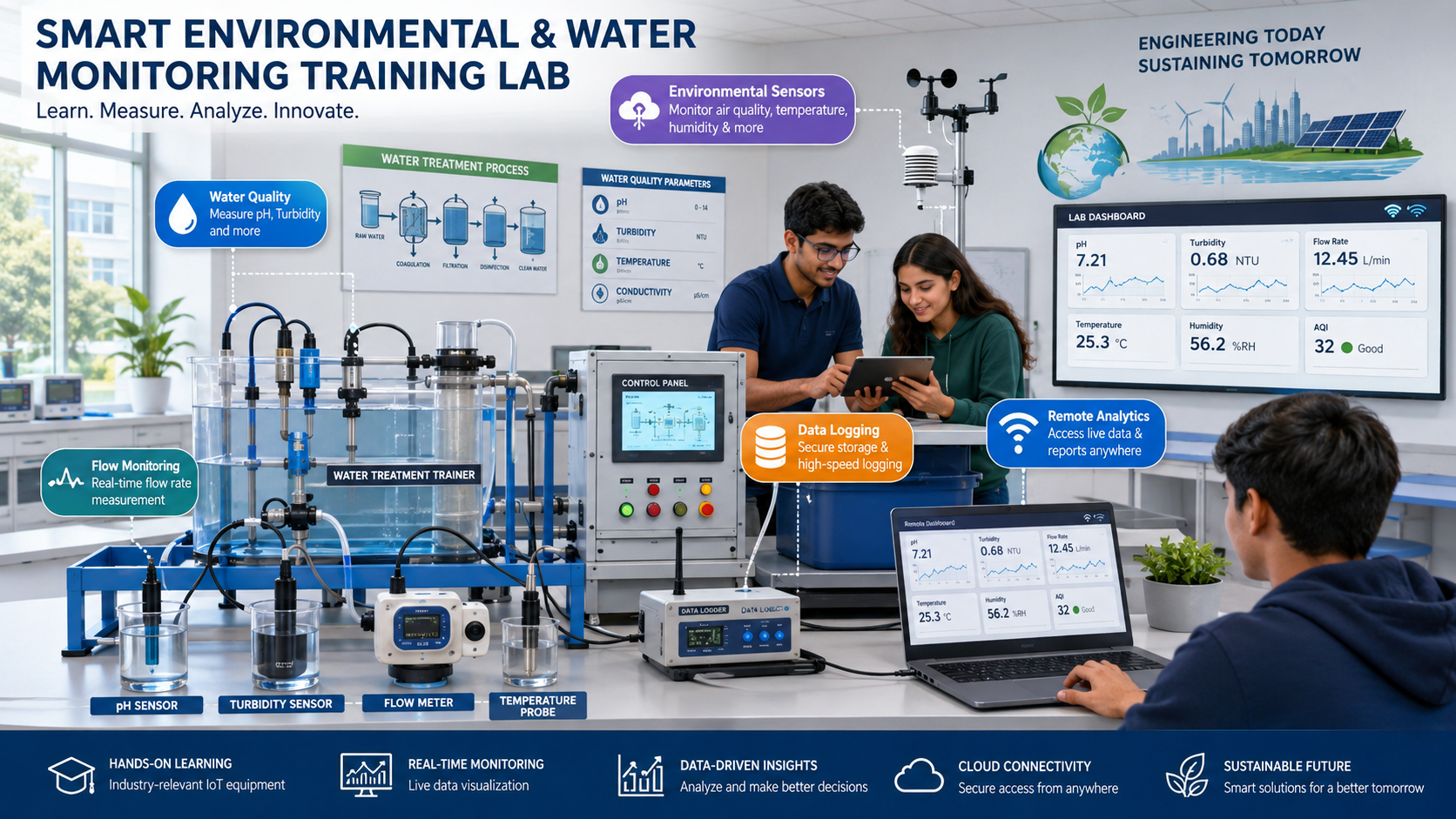
Flow, level, quality, pump status, remote monitoring and environmental data interpretation.
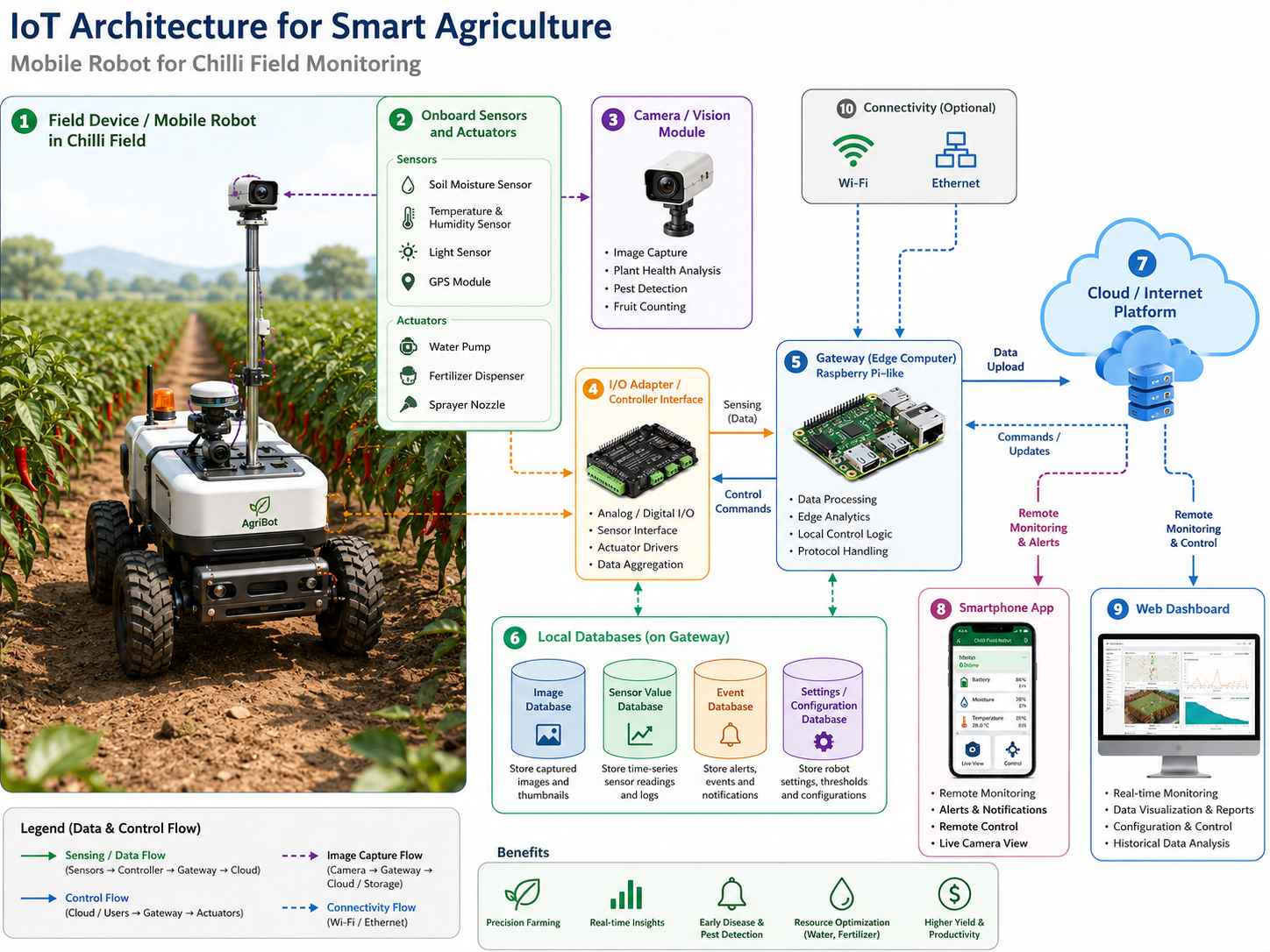
Field sensors, gateway, wireless data, dashboard display and practical IoT use-case learning.
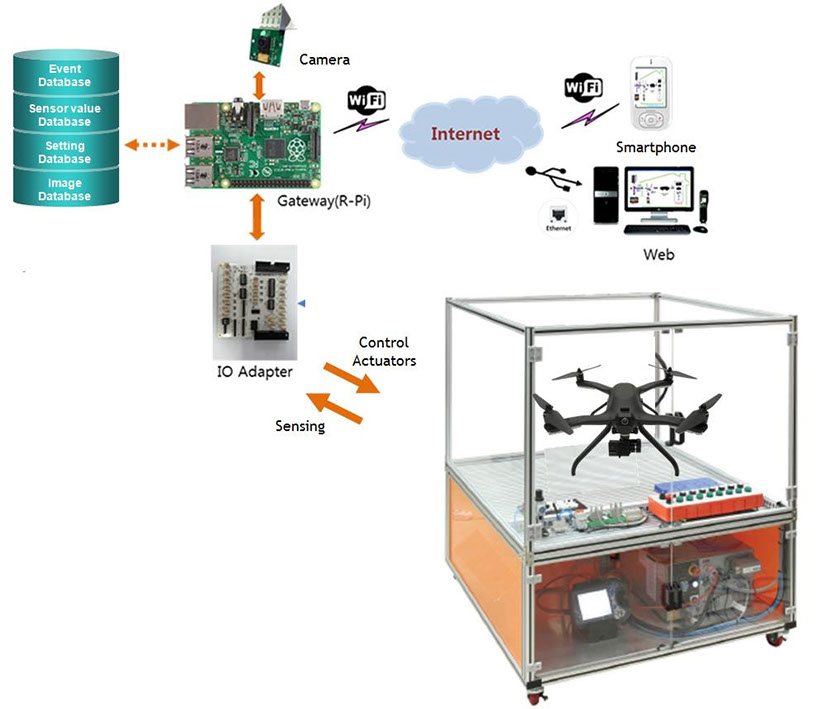
Architecture
A smart training platform can include physical equipment, sensors, meters, control panels, gateways, network switches, PLC/BMS controllers and a dashboard layer for visualisation.
Learning outcomes
Students observe how loads, solar PV, metering and control affect energy use.
Learners connect sensors to gateways, controllers and dashboards.
Dashboard trends, alarms and reports turn raw values into learning evidence.
Labs can demonstrate the same concepts used in smart buildings and smart campuses.
Share your target applications, student level and available space. We can propose a practical connected lab structure.