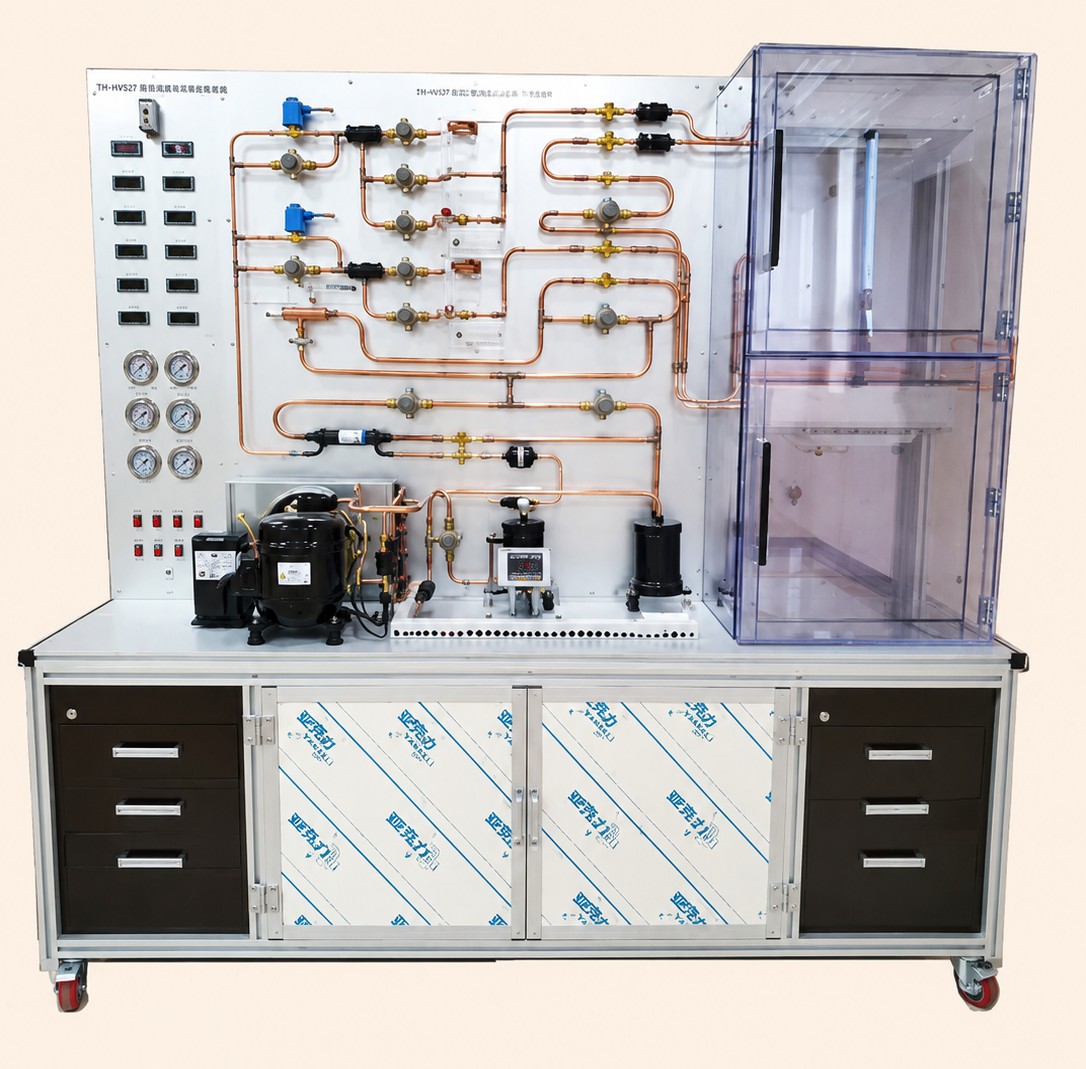
Airflow and Ducting Trainer
Air distribution, duct resistance, airflow measurement, balancing and fan behaviour.
HVAC/R training systems
Sedalia supports HVAC/R laboratories with training systems for refrigeration cycles, air-conditioning operation, airflow, heat exchange, pressure-temperature analysis, fault diagnosis, instrumentation and smart building integration.
Learning chain
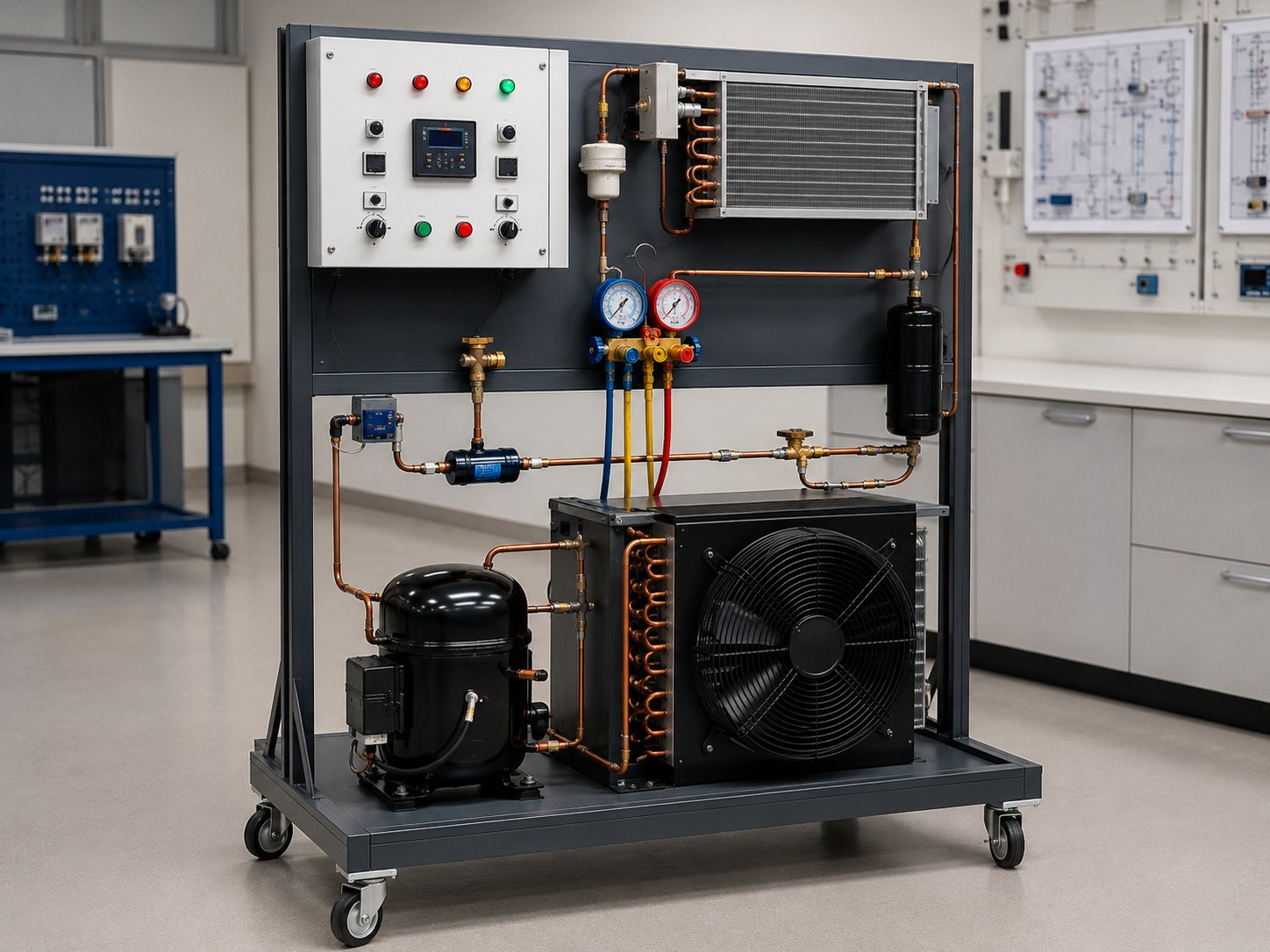
Students need to see how compressors, coils, fans, valves, air paths, refrigerant circuits, electrical controls and energy use interact. HVAC/R trainers can support technician-level practice and engineering-level analysis.
Possible configurations
Air distribution, duct resistance, airflow measurement, balancing and fan behaviour.
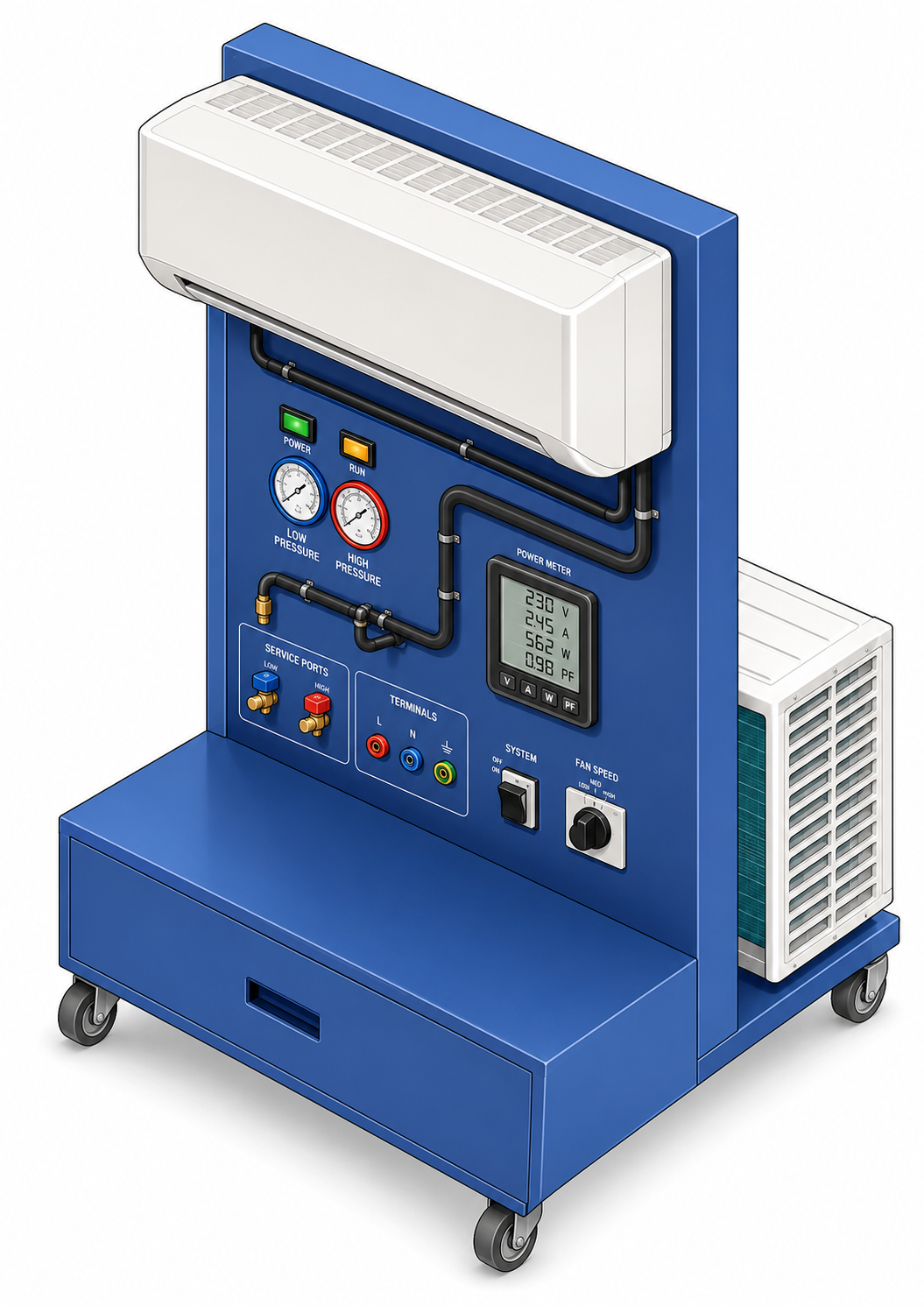
Split system operation, electrical control, measurement and troubleshooting activities.
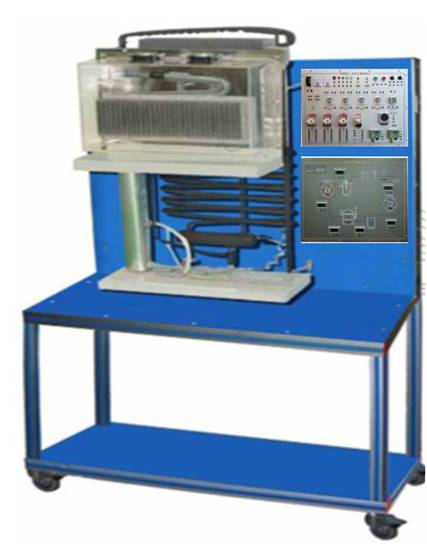
Cycle observation, pressure-temperature relationship, compressor and heat exchanger learning.
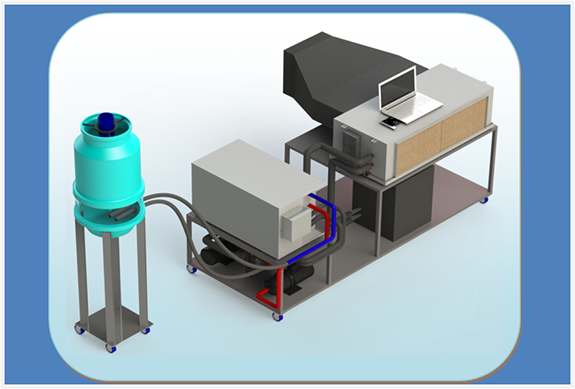
Water loop, heat rejection, flow, temperature and energy-efficiency studies.
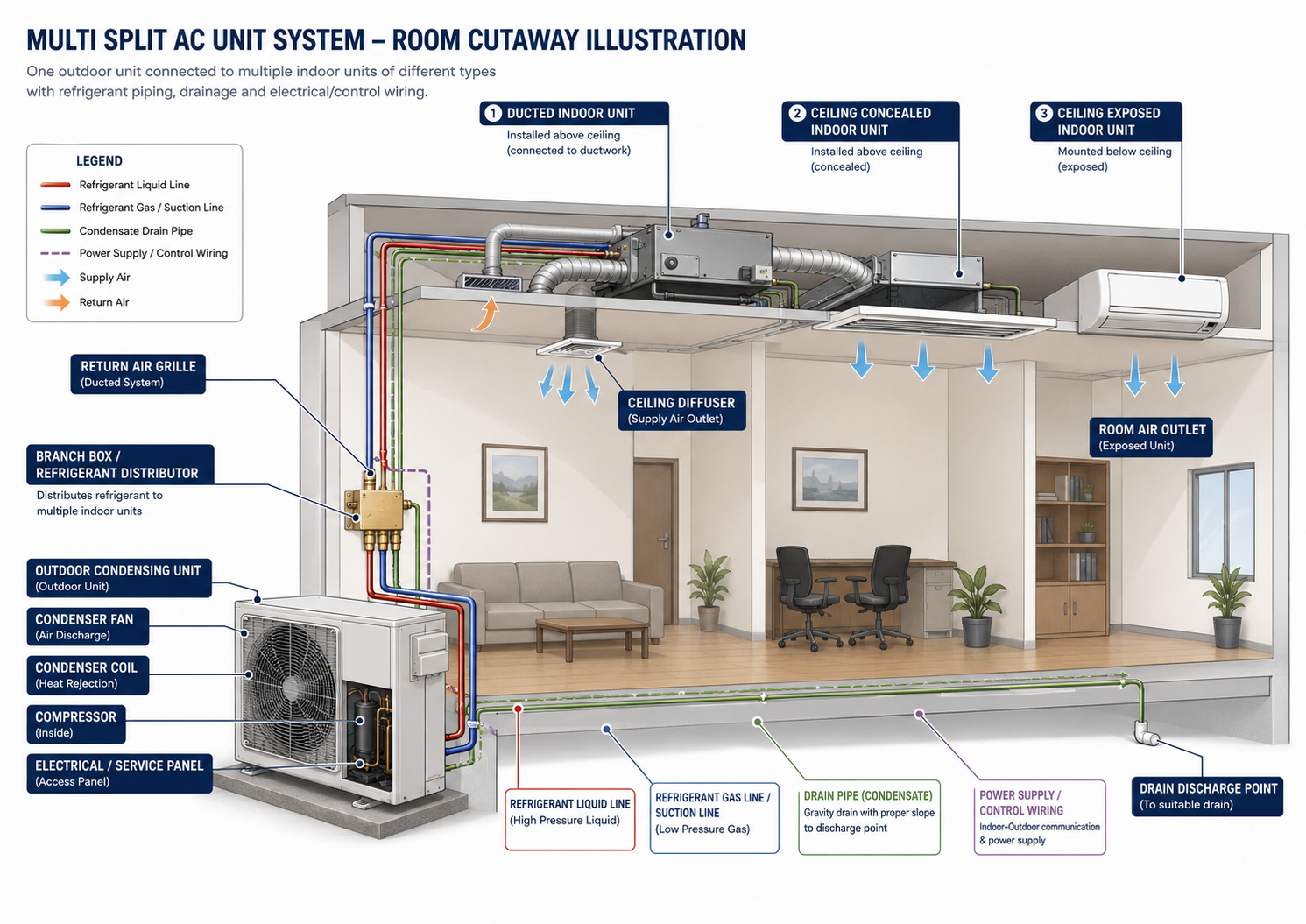
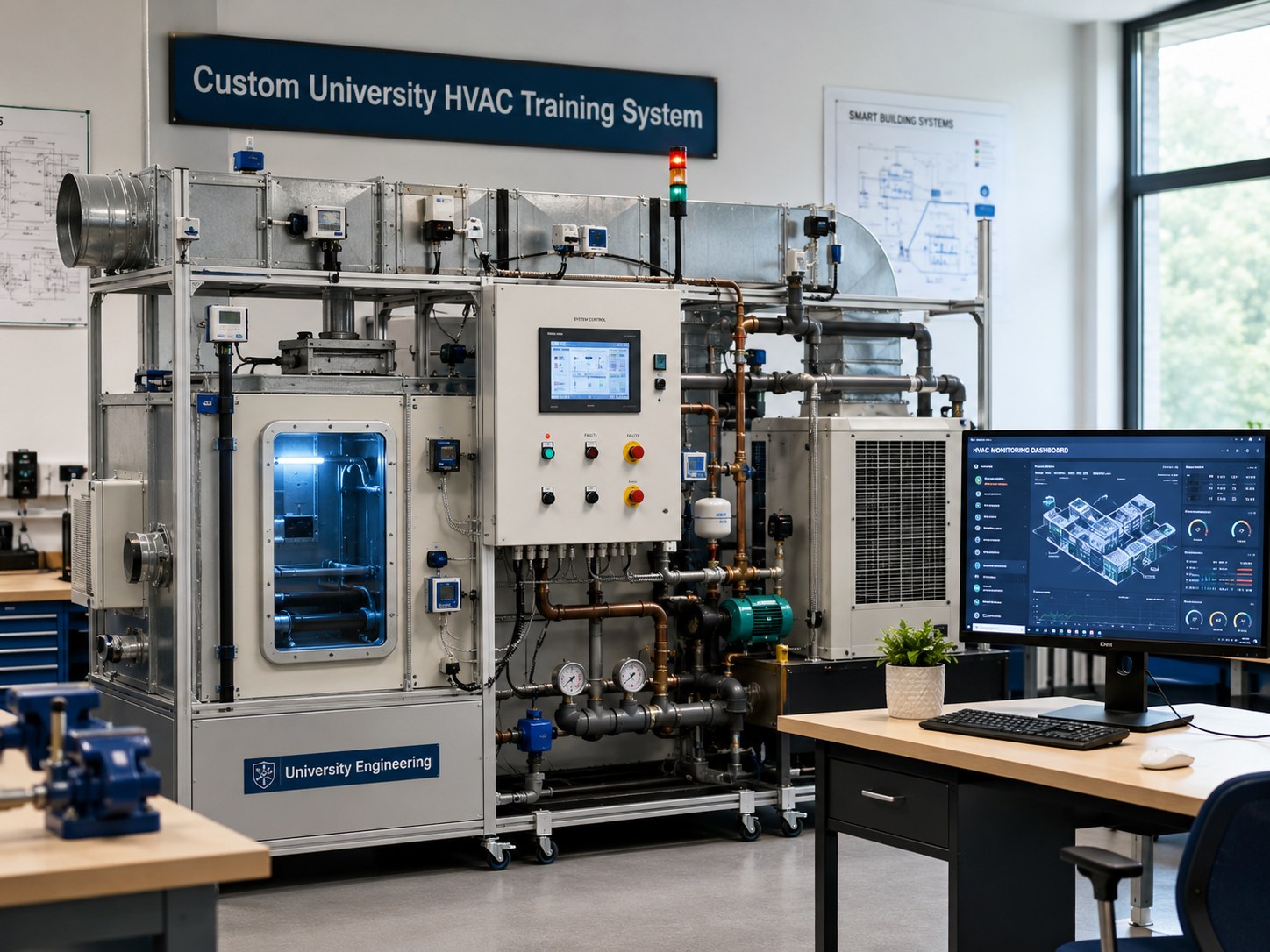
Smart building integration
For advanced learning, HVAC/R trainers can be connected to a larger building services or smart energy ecosystem. Students can monitor temperatures, humidity, airflow, energy use, fault status and equipment operation from a central dashboard.
Example practical activities
Recognise compressor, condenser, evaporator, expansion device, fans, valves and controls.
Record pressure, temperature, airflow, humidity, voltage, current and energy readings.
Compare normal and fault conditions using instruments and dashboard trends.
Relate control settings, load changes and maintenance condition to performance.
Share your target modules and practical outcomes. We can help structure the right trainer configuration.